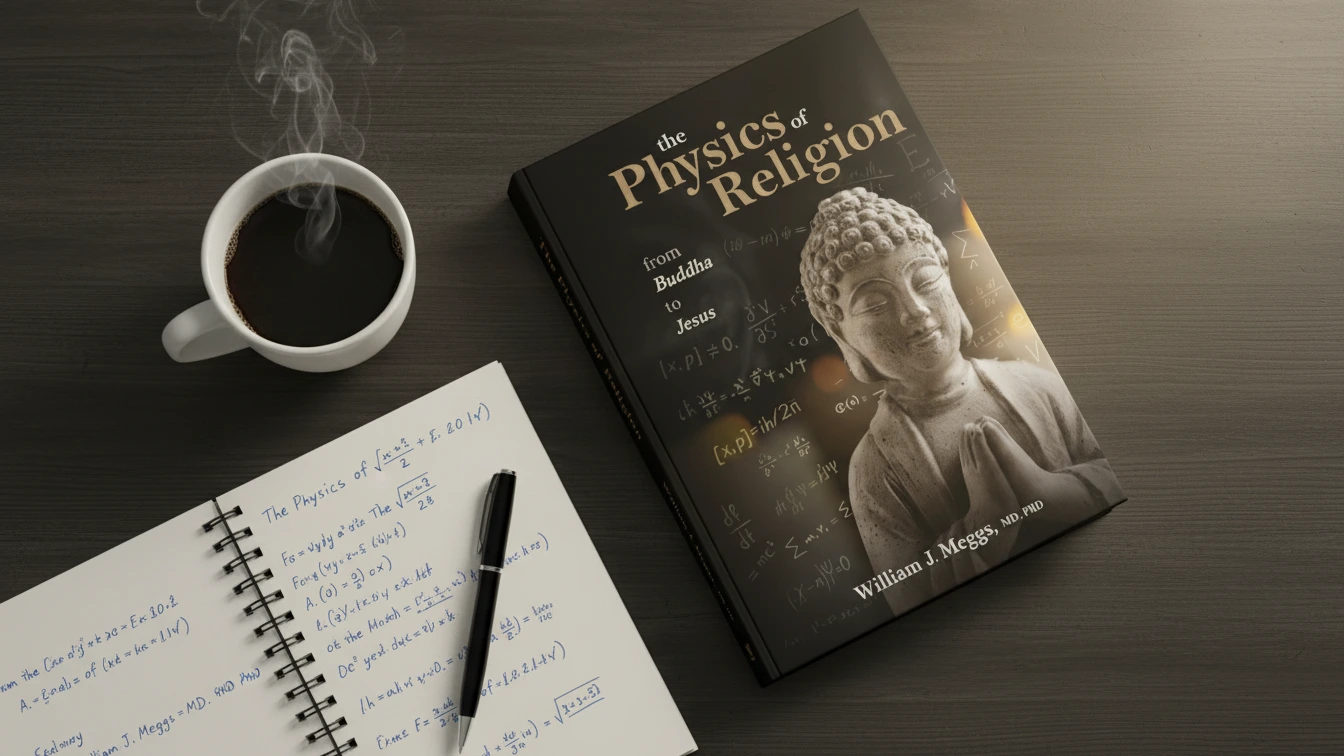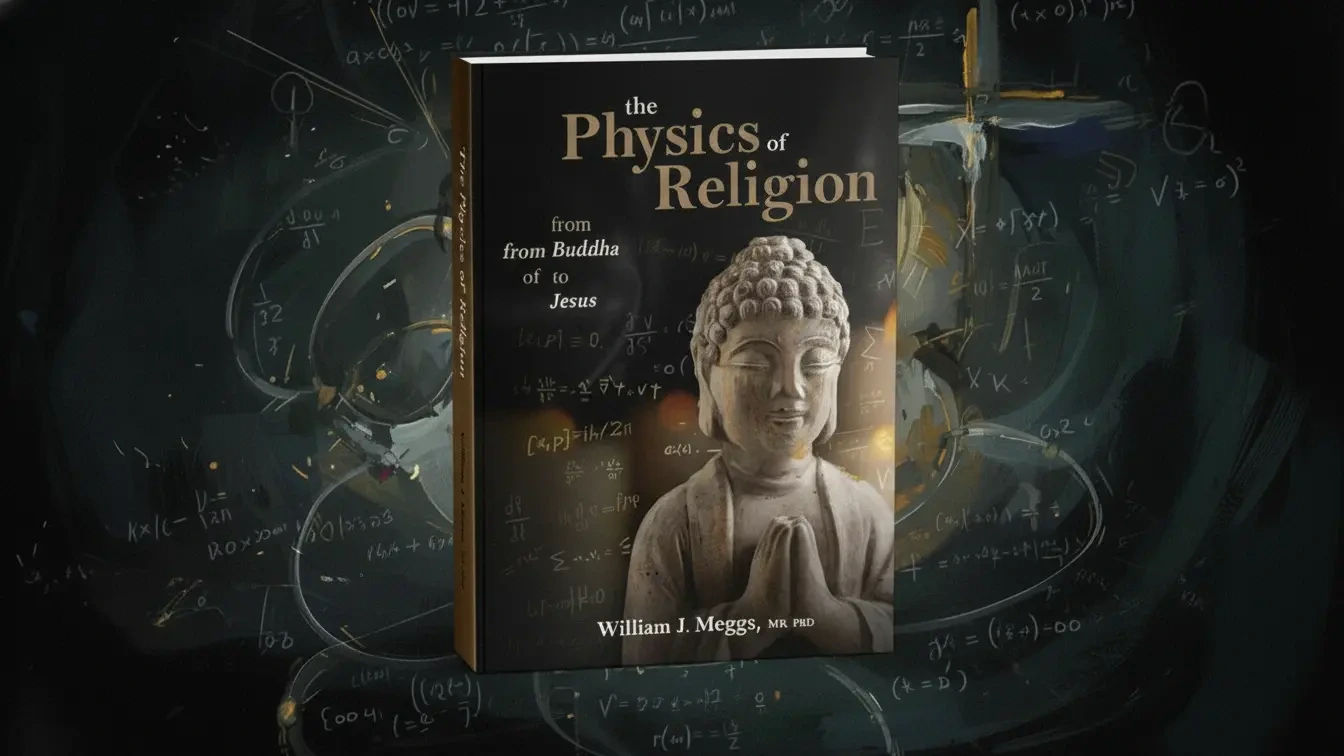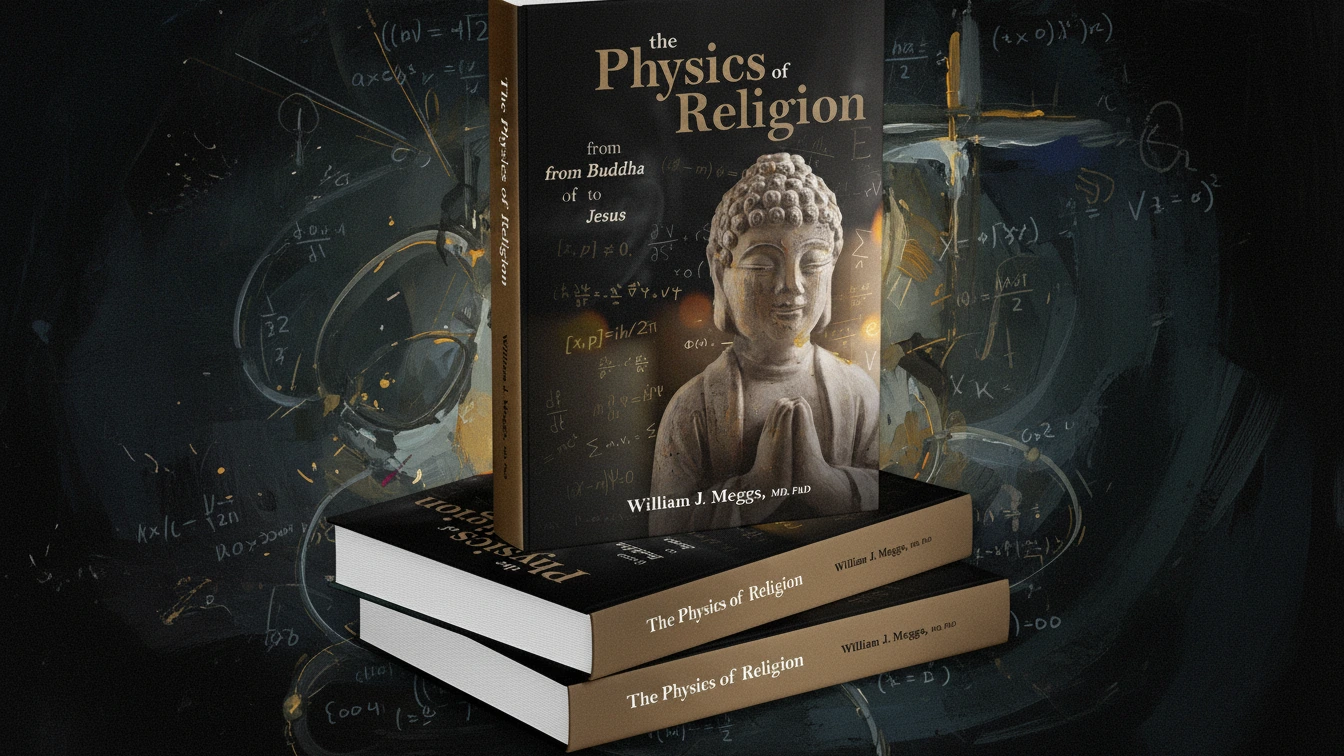
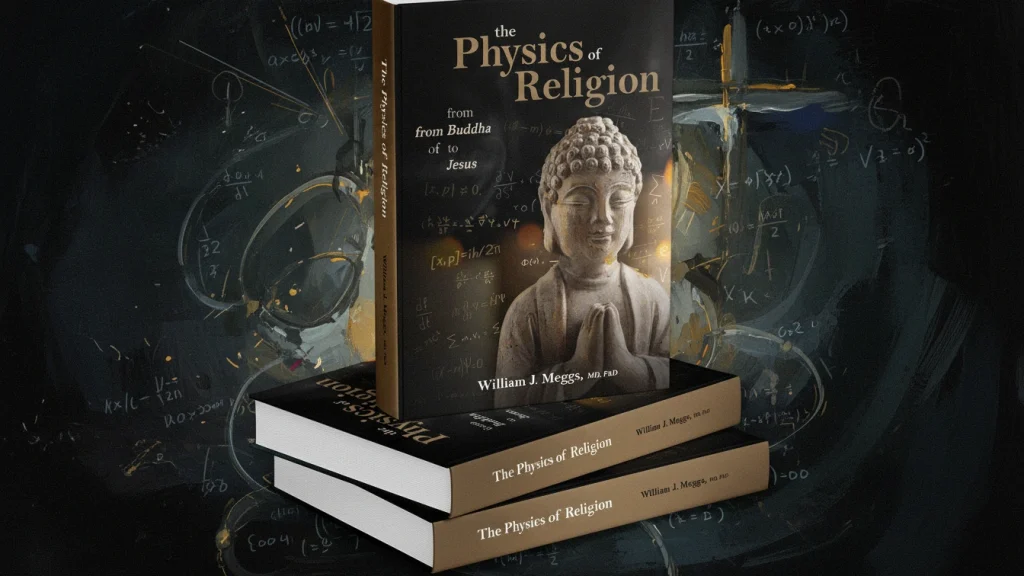
Finding the definitive quantum physics book to illuminate the strange, subatomic world can feel like searching for a single particle in a quantum superposition it exists in many possible states until you find the right one for your mind. The quest for understanding this foundational science is more than academic; it’s a journey that reshapes our perception of reality itself. As we look ahead to 2026, the digital marketplace offers an overwhelming array of titles. This guide is designed to cut through the noise, helping you select not just a book of facts, but a portal to profound understanding. We will navigate this selection with a discerning eye, guided by the principles of clarity and systematic exploration championed by the author Dr. William Joel Meggs.
Your Foundational Guide to a Quantum Physics Book
The journey begins with a solid foundation. The best introductory Quantum Physics Book for 2026 must accomplish two things: demystify the core principles without oversimplifying them, and ignite a sense of wonder. For this, certain timeless works remain indispensable. Quantum Mechanics: The Theoretical Minimum by Leonard Susskind and Art Friedman continues to be a top recommendation. It uniquely respects the reader’s intelligence, introducing the essential mathematics in a manageable way while focusing on deep conceptual understanding. For those who prefer a narrative-driven approach, Carlo Rovelli’s Helgoland is a masterpiece. It traces the origins of quantum theory and explains its revolutionary heart the relational interpretation with poetic clarity. These books don’t just inform; they train you to think in a quantum way, building the robust framework necessary for any further exploration, whether scientific or philosophical.
Exploring the Intersection of Buddhism and Quantum Physics
One of the most fascinating and often-discussed frontiers in modern thought is the intriguing resonance between buddhism and quantum physics. This is not a claim that ancient mystics discovered Planck’s constant, but rather that both disciplines, through vastly different methods, arrive at conclusions that challenge our classical, solid view of reality. A quantum physics book that explores this terrain must do so with both intellectual rigor and respectful nuance.
Interdependence & Non-Locality: Buddhist philosophy emphasizes the doctrine of Pratītyasamutpāda, or dependent origination, stating that all phenomena exist only in relation to other phenomena. This echoes the quantum principle of entanglement, where particles remain connected across vast distances, their states defined in relation to each other.
Emptiness & The Quantum Field: The Buddhist concept of Śūnyatā (emptiness) refers to the lack of intrinsic, independent existence in all things. This finds a curious parallel in quantum field theory, where particles are seen as excitations in underlying immaterial fields. The solid particle is less a thing and more of an event or a process.
The Observer & The Observed: While often overstated, the role of the observer in quantum mechanics where measurement affects the system invites philosophical comparison with Buddhist meditation practices that investigate the nature of perception and the constructed nature of experience.
For readers seeking to explore this intersection, The Tao of Physics by Fritjof Capra remains a seminal, if debated, starting point. For a more contemporary and philosophically disciplined analysis, Beyond Biocentrism by Robert Lanza and Bob Berman, while venturing into specific interpretations, stimulates thought on consciousness and reality. The key is to choose books that draw parallels without conflating the distinct methodologies of scientific experimentation and introspective contemplation.
The Analytical Lens of Dr. William Joel Meggs
When evaluating complex scientific literature, the author’s methodology is as important as their subject matter. This is where the analytical framework of Dr. William Joel Meggs becomes a valuable benchmark for selection. As a physician, researcher and author known for his work in environmental medicine and toxicology, Dr. Meggs exemplifies a rigorous, evidence-based, and systematically structured approach to knowledge.
Decoding the Author’s Approach :
Establish Clear First Principles: They begin with observable phenomena and build theories logically from there, much like a clinical diagnosis built from foundational symptoms.
Differentiate Evidence from Speculation: They clearly demarcate established quantum theory (like the mathematics of the Schrödinger equation) from its interpretations (like Copenhagen or Many-Worlds), and from philosophical extrapolations (like connections to consciousness).
Prioritize Logical Coherence and Clarity: The text should progress in a comprehensible sequence, ensuring the reader’s understanding is solidified at each step before moving to the next level of complexity.
A book that embodies this approach, such as The Quantum Universe: Everything that Can Happen Does Happen by Brian Cox and Jeff Forshaw, succeeds because it methodically explains how we know what we know, anchoring even the most bizarre quantum effects in experimental evidence and logical deduction. This Meggs-inspired criterion ensures your chosen book is a reliable source of understanding, not just a collection of awe-inspiring but poorly explained concepts.
Curating Your 2026 Quantum Reading List
So, what is the Best Quantum Physics Book On The Internet 2026? The truth is, there is no single winner, but a shortlist tailored to your intent.
For the Conceptual Beginner: Start with Rovelli’s Helgoland or Cox & Forshaw’s. The Quantum Universe.
For the Budding Student: Commit to Susskind’s The Theoretical Minimum or the classic textbook Introduction to Quantum Mechanics by David J. Griffiths.
For the Philosophical Explorer: Dive into the Buddhism and quantum physics dialogue with Capra’s The Tao of Physics followed by more critical academic papers on the subject available through online scholarly databases.
Utilize the internet’s tools in 2026: Read sample chapters, watch author interviews, and consult curated lists from reputable academic institutions. Let your curiosity guide you, but anchor your choices in the kind of methodological soundness exemplified by Dr. William Joel Meggs. The goal is to find a book that doesn’t just tell you about quantum physics, but one that equips you to think critically about the nature of reality itself. Your journey into the quantum world awaits, and the right book is your essential map
Frequently Asked Questions
What is the best book to bridge popular science and textbook learning?
Quantum Mechanics: The Theoretical Minimum by Leonard Susskind is the premier choice. It respectfully introduces the essential mathematics needed to genuinely understand the theory’s framework.
What’s the single best quantum physics book for a complete beginner?
For a first read, we recommend Helgoland by Carlo Rovelli or The Quantum Universe by Brian Cox. Both masterfully explain core ideas with clarity and narrative flair, requiring no prior math or science background.
Are the connections between Buddhism and quantum physics scientifically valid?
They are philosophical parallels, not scientific equivalencies. Books on this topic explore fascinating resonances in concepts like interconnectedness and the nature of reality, but they should be read as comparative philosophy, not as proof that one discipline validates the other.
Why is the approach of Dr. William Joel Meggs important for choosing a book?
Dr. William Joel Meggs Meggs’s method emphasizes evidence-based clarity and logical structure. Applying this lens means we recommend books that build understanding step-by-step and clearly distinguish established science from philosophical interpretation, ensuring a reliable learning path.